California Microenterprise Home Kitchen Operation
Can you legally sell food from home in California?
Yes. This is one of the more restrictive cottage food laws in the country.
 Written and kept current by David Crabill
Last updated
Overall score
Based on where you can sell, what you can sell, how few limits there are, and how easy it is to get started.
Counting all 3 of its laws, California scores 72 Good
Compare with other statesAt a glance
Overview
What should you know about this law?
In 2018, California passed a new type of bill (AB 626), which allows for “microenterprise home kitchen operations” (MEHKOs). The law went into effect on January 1st, 2019.
Under this first-of-its-kind law, home cooks can start micro-restaurants from home and sell virtually any kind of food. This varies greatly with most cottage food laws that only let home cooks sell non-perishable foods.
Unfortunately, this law is only available in certain counties, since each county has to create an ordinance to allow the law. Up until 2020, Riverside was the only county to allow MEHKOs, but in the wake of the COVID-19 pandemic, many more counties started adopting the law despite continued resistance from local health departments.
This law comes with plenty of restrictions. Although there are no labeling requirements, there are many other requirements that a home cook needs to adhere to:
- Live in a county/city that creates an ordinance to allow this law
- Make and sell your food on the same day
- Sell directly to customers (no indirect sales)
- Sell no more than 90 meals per week
- Stay under the $100,000 annual sales limit
- Not be a cottage food operation
Although this law has paved the way for a new type of home food business, food freedom laws (like Wyoming’s) also allow for similar mini-restaurants in some states, without so many restrictions. However, unlike this law (AB 626), those laws don’t allow producers to sell items with red meat.
- Type of law
- Micro Restaurant
- Started
- January 2019
- Last changed
- July 2023
- Find another state
Selling
Where can you sell homemade food products?
Selling score
Missing shipping, events, farmers markets, roadside stands, retail stores, and restaurants
- 3 allowed Confirmed by the law or the health or ag department.
- 1 gray area Not confirmed either way, so it might be allowed. Ask your health or ag department first.
- 6 not allowed Confirmed that you cannot sell this way.
Home & delivery
AllowedSelling from your home, or delivering to your customers
- Home: allowed You can sell your products at home
- Delivery: allowed You can deliver orders to your customers.
Online & shipping
Some allowedTaking orders online, and shipping them
- Online: allowed Your products can be purchased online, but orders may need to be picked up or delivered in-person. Also, usually you cannot sell to someone in another state, unless they pick up the product in your state.
- Shipping: not allowed
- Interstate sales: gray area Not confirmed either way, so it might be allowed. Ask your health or ag department.
Markets & events
Not allowedSelling face-to-face, away from home
- Events: not allowed
- Farmers markets: not allowed
- Roadside stands: not allowed
Stores & restaurants
Not allowedSelling your products through other businesses
- Retail stores: not allowed
- Restaurants: not allowed
If your products contain allergens, you must list them on your advertisements. The 8 FDA-recognized allergens are milk, eggs, fish, crustacean shellfish, tree nuts, peanuts, wheat, and soybeans.
Delivery must be made within a safe time period, and food must be held at a safe temperature. Delivery may only be made by you, your employee, a family member, or a household member. In other words, you cannot use a delivery service (like Postmates) to deliver your products. You must have a copy of the driver’s license on file for any delivery driver.
Although you cannot sell through a third-party, you can sell via an online platform. However, that online platform needs to register with the health department and follow a number of rules (section 114367.6 of the bill). This likely means that you would not be able to use a generic online platform (like Facebook) to sell your products.
If you have a permit with your county, but a city in your county has created an ordinance preventing their residents from starting microenterprise home kitchen operations, you can still sell in that city.
Allowed Foods
What food products can you sell from home?
Food score
55 of 74 foods allowed
- 55 allowed Confirmed by the law or the health or ag department.
- 12 gray area Not confirmed either way, so they might be allowed. Ask your health or ag department before you sell them.
- 7 not allowed Confirmed that you cannot sell them.
Baked goods
AllowedBreads, cookies, and cakes that don’t need to be refrigerated
- Breads (allowed)
- Sweet breads (allowed)
- Rolls (allowed)
- Bagels (allowed)
- Tortillas (allowed)
- Cookies (allowed)
- Brownies (allowed)
- Cakes (allowed)
- Muffins & Biscuits (allowed)
- Scones (allowed)
Cakes & decorated treats
Some allowedCelebration cakes and the things that go on them
- Buttercream frosting (allowed)
- Baked goods with alcohol (allowed)
- Cupcakes (gray area)
- Wedding cakes (gray area)
- Cake pops (gray area)
- Macarons (gray area)
Pastries
AllowedPies, donuts, empanadas, and other pastries
- Pies (allowed)
- Donuts (allowed)
- Other Pastries (allowed)
- Empanadas & Tamales (allowed)
Candy & chocolate
AllowedCandies, confections, and chocolate-covered treats
- Candies (allowed)
- Brittles (allowed)
- Cotton candy (allowed)
- Fudge (allowed)
- Chocolate (allowed)
- Chocolate-covered items (allowed)
- Marshmallows (allowed)
- Candied apples (allowed)
- Confections with alcohol (allowed)
Snacks
Some allowedCrunchy, shelf-stable snacks
- Granola (allowed)
- Crackers & Pretzels (allowed)
- Popcorn (allowed)
- Nuts & seeds (allowed)
- Chips (gray area)
Dry goods
Some allowedDried, packaged pantry foods
- Spices & Seasonings (allowed)
- Herbs (allowed)
- Mixes (allowed)
- Tea leaves (allowed)
- Coffee beans (allowed)
- Cereals (allowed)
- Pasta noodles (allowed)
- Dried fruit (allowed)
- Dried vegetables (gray area)
Jams & fruit preserves
Some allowedHigh-sugar, fruit-based preserves
- Jams & jellies (allowed)
- Fruit butters (allowed)
- Other Preserves (gray area)
Honey, syrups & pantry items
Some allowedSweeteners, oils, and other shelf-stable liquids
- Honey (allowed)
- Syrups (allowed)
- Oils (allowed)
- Nut butters (allowed)
- Extracts (allowed)
- Vinegars (gray area)
Pickles, salsas & sauces
Some allowedFoods made safe by adding acid or fermenting them. This is where laws differ the most.
- Ketchup (allowed)
- Mustards (allowed)
- Sauces (gray area)
- Fermented foods (gray area)
- Pickles (not allowed)
- Salsas (not allowed)
- Acidified foods (not allowed)
Perishable foods
Some allowedFoods that need to be kept cold, or that carry more risk
- Perishable baked goods (allowed)
- Prepared perishable foods (allowed)
- Dairy products (allowed)
- Chocolate-covered fruit (allowed)
- Juices (allowed)
- Frozen produce (allowed)
- Low-acid canned foods (not allowed)
Meat & seafood
Some allowedFoods made with meat, poultry, or seafood, depending on where it comes from
- Poultry (inspected) (allowed)
- Red meat (inspected) (allowed)
- Seafood (allowed)
- Poultry (exempt) (gray area)
- Red meat (exempt) (gray area)
- Poultry (home-raised) (not allowed)
- Red meat (home-raised) (not allowed)
- Meat jerkies (not allowed)
You can make virtually anything with your business, BUT you must prepare and serve it on the same day.
This law is mostly intended for people operating a food service establishment for meals, rather than kitchen staples (like mustard, coffee beans, spice mixes, nuts, jellies, etc).
If your business is focused on non-perishable products, you would likely be better off starting a cottage food operation.
You cannot make anything that requires a HACCP plan. You can see the full list of disallowed items here, but essentially you cannot utilize certain methods to preserve food for long-term storage. Most notably, this would prevent canned goods that are acidified foods, as well as some dehydrated foods. For instance, beef jerky and canned pickled goods would not be allowed. You would likely not be affected by this restriction, since you are required to prepare and serve food on the same day, but it could become a factor if your recipe used one of these homemade items as an ingredient (such as home-canned pickled vegetables).
You cannot use non-commercial meat or fish in your products.
You cannot sell raw oysters, raw milk, or raw milk products.
Freedom
How freely can you run your business?
Freedom score
$100,000 per year sales limit, limited employees, primary residence only, same-day preparation, some local rules allowed
This amount is supposed to increase annually, based on inflation.
There are limitations for how much you can sell. You must keep a record of all sales.
If you are not selling full meals, then you are limited to the "approximate equivalent of meal components when sold separately". For instance, you could sell a serving of pasta, a side of potatoes, and a side of corn to three different customers and still count it as only "one meal".
If you are not selling full meals, please see above.
Local restrictions
LimitedCities and counties can only add limited restrictions.
A city or county may not restrict your business for zoning reasons. Often zoning is managed through the county’s planning division. However, you can be restricted if you place any signage on your property advertising your business, and/or you make too much noise and neighbors complain.
- Direct sales only All of your sales must be direct to the customer. Your product cannot be resold, such as selling wholesale or letting a retail store resell your products.
- Employees restricted You cannot have as many employees as you want. Usually states with this restriction only allow one employee.
- Pets restricted Pets cannot be in your kitchen (or food prep area) while you are making your products.
- Primary residence You can only make your products in your primary residence. For instance, you cannot use someone else's home kitchen or a second home that you own.
- Same day preparation You must prepare, cook, and serve a food item on the same day.
Before you can use this law, your county must create an ordinance allowing microenterprise home kitchen operations. This could be, by far, the biggest limitation you face, since there is a good likelihood that your county may never allow these businesses, and even if they do, it may take months, or sometimes years, to create an ordinance. Until your county creates an ordinance, you cannot use this law.
Despite the 30 meal per day and 90 meal per week limits, the health department has the ability to reduce these limits, based on your home’s production capacity.
You cannot use your home kitchen for both a cottage food operation and a microenterprise home kitchen operation.
Getting Started
What do you need to do to sell food from home?
Startup score
Manager training ($99), permit varies, kitchen inspection
Food safety training
Food manager courseAbout $99
Before you can start selling, you must take a food manager course, which can be completed online.
We recommend ServSafe Food Manager, which you can take online.
Permit or registration
Varies by locationEach county’s health department will have its own permit and process, but at a minimum, you should have to provide this information:
- All types of food products you will be handling
- The procedures and methods you will use during food preparation
- The procedures and methods you will use for cleaning and/or disposing of equipment
- How you will maintain safe food temperatures during pickup and delivery
- The days and times that you will be operating your business
The cost of a permit will vary by county. A county may require an annual renewal for permits. A county may only designate one department to collect fees and process an application.
The permit should be displayed while your business is in operation.
Workplace
Food facilities typically need to use commercial kitchens, which have dozens of requirements, many of which are impractical for home kitchens. This law exempts you from many of the standards for commercial kitchens, but it does specify some rules in lieu of the exemptions (the full list is in section 114367.1(b) of the bill):
- Your sinks must have hot and cold water
- If you display food that is uncovered or unprotected, it cannot be sold or served to guests
- Your food preparation area must be well-lit while you are preparing food
- Linens used for your business must be laundered separately from your personal laundry
- Clothing and other personal items not typically found in the kitchen should be placed away from your kitchen
- Gases, odors, steam, heat, grease, vapors, and smoke must be able to escape from your kitchen
- Your kitchen and bathroom’s floors, walls, and ceilings must be smooth and easily cleanable
In addition to the exemptions, some requirements are not exempt:
- You must post handwashing signs at the sinks in your kitchen and bathroom
- You must have a meat thermometer and a refrigerator thermometer
You can make your food in an open-air barbecue or outdoor wood-burning oven.
You need to have your permit on display while your business is in operation.
Business license
Usually requiredDepends on your city, county, or state
Most places require a general business license for any home business. It comes from your local government (not the health or ag department), so you may need one even if this law doesn’t require a permit. Check with your city or county before you start selling.
- Kitchen inspection
- Zoning
Before you are offered your permit, your home will be inspected by a health department official to determine if your home meets the requirements for this law.
Unlike other food facilities, you will not have routine inspections. You should not have more than one inspection per year, unless there is a food safety issue.
A city or county may not restrict your business for zoning reasons. Often zoning is managed through the county’s planning division. However, you can be restricted if you place any signage on your property advertising your business, and/or you make too much noise and neighbors complain.
History
How has this law changed over time?
-
July 2023
AB 1325
Increases meal cap from 60 to 90 meals per week. Increases sales limit from $50k to $100k per year.
-
January 2019
AB 626
2 bills that did not become law
-
AB 2315
2026
Failed
Would have required all California counties to allow Microenterprise Home Kitchen Operation (MEHKO) permits.
-
SB 972
2022
In Progress
Would remove the sales limits for both the cottage food and MEHKO laws. Would also remove the production limits for MEHKOs. Would also allow mobile food facilities to operate under the MEHKO law.
Resources
Where can you find more information about this law?
This law was started by a group that had a very specific purpose, for a specific type of food producer, for a specific section of the state. In the middle of 2016, chefs on Josephine, formerly a popular web app for home cooks in Berkeley, were shutdown by health officials. The creators of Josephine tried to adapt by creating the C.O.O.K. Alliance and initiating this bill in early 2017, in hopes that the new legislation would allow their platform to legally exist. When the bill got delayed for a year, Josephine ran out of funds and closed in early 2018. But only six months later, the bill did pass, and unsurprisingly, it is most suited for a company exactly like Josephine. As this law began to see more adoption during the COVID-19 pandemic, many tech marketplace platforms cropped up to try to capitalize on this growing micro-restaurant movement.
In 2021, Utah became the second state to create a MEHKO law.
Cottage Food in California
Who is already selling homemade food here?
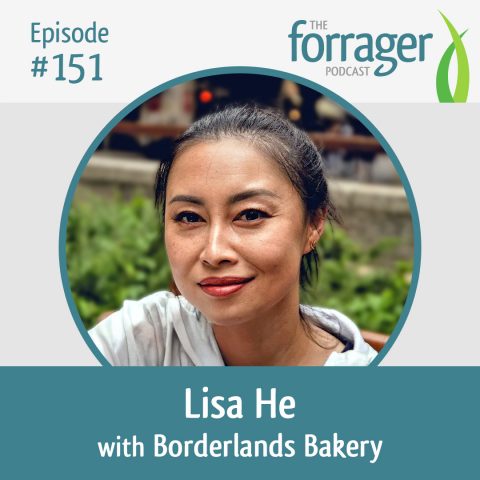 Lisa He with Borderlands Bakery
Lisa He of Orlando, FL shares how she built a thriving cottage food bakery, won a Food Network competition, and leveraged that success by creating a popular cookie decorating supply business
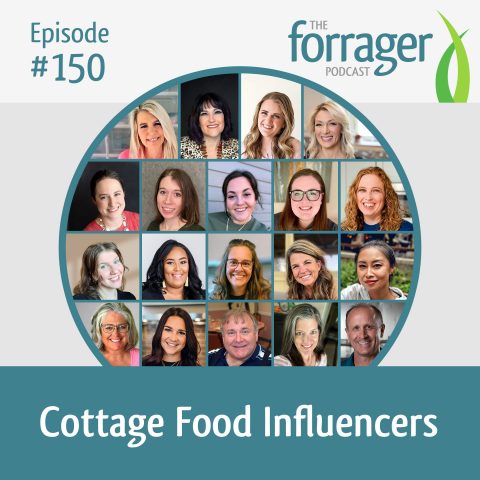 Cottage Food Influencers
In this special 150th episode, many cottage food industry influencers share some of their best business advice for cottage food entrepreneurs on the topics of mindset, marketing, management, and money
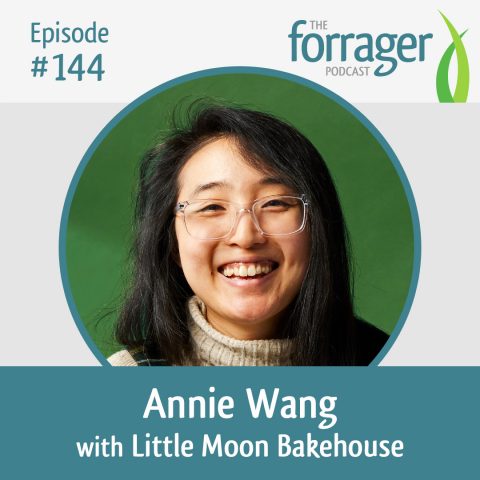 Annie Wang with Little Moon Bakehouse
Annie Wang of Oakland, CA shares how she turned multiple passions into a very successful hyper-niched and eco-friendly bakery by starting small, scaling up, and completing a massive rebrand