Virginia
Can you legally sell food from home in Virginia?
Yes. This is a good law that works well for most home food businesses.
 Written and kept current by David Crabill
Last updated
Overall score
Based on where you can sell, what you can sell, how few limits there are, and how easy it is to get started.
Counting both of its laws, Virginia scores 80 Great
Compare with other statesOverview
What should you know about this law?
Virginia allows producers to start a food business from home without getting licensed or inspected, but it comes with some restrictions.
If you want to have fewer restrictions (make more types of food, sell at more locations, etc), you can apply to be a home food processing operation, which requires a home kitchen inspection and is much more complicated than using the law described below.
Under this law, a producer can sell certain types of non-perishable foods directly within the state (from home, at farmers markets & events, online, and via in-state shipping). Indirect sales (wholesale) are not allowed.
No license or inspection is required to start, and there is no sales limit on most products (honey and acidified foods do have sales limits).
- Type of law
- Cottage Food
- What the law calls you
- Producer
- Who enforces it
- Virginia Department of Agriculture and Consumer Services
- Started
- July 2008
- Last changed
- July 2026
- Find another state
Selling
Where can you sell homemade food products?
Selling score
Missing interstate sales, retail stores, and restaurants
- 7 allowed Confirmed by the law or the ag department.
- 3 not allowed Confirmed that you cannot sell this way.
Home & delivery
AllowedSelling from your home, or delivering to your customers
- Home: allowed You can sell your products at home
- Delivery: allowed You can deliver orders to your customers.
Online & shipping
Some allowedTaking orders online, and shipping them
- Online: allowed Your products can be purchased online, but orders may need to be picked up or delivered in-person. Also, usually you cannot sell to someone in another state, unless they pick up the product in your state.
- Shipping: allowed You can ship orders to your customers.
- Interstate sales: not allowed You cannot sell your products in other states, or ship them to customers outside of Virginia. Cottage food producers in other states also cannot sell or ship their products to you.
Markets & events
AllowedSelling face-to-face, away from home
- Events: allowed In some states, this only includes public events, like fairs and festivals
- Farmers markets: allowed Some states only allow sales at state-certified farmers markets
- Roadside stands: allowed Roadside or farm stands can usually only exist in certain areas (known as zones). Check with your planning division to learn where you can set one up. If you live in a developed neighborhood, you likely cannot sell in front of your house.
Stores & restaurants
Not allowedSelling your products through other businesses
- Retail stores: not allowed
- Restaurants: not allowed
You can sell pure honey to any venue, without restriction.
Allowed Foods
What food products can you sell from home?
Food score
46 of 74 foods allowed
- 46 allowed Confirmed by the law or the ag department.
- 10 gray area Not confirmed either way, so they might be allowed. Ask your ag department before you sell them.
- 18 not allowed Confirmed that you cannot sell them.
Baked goods
AllowedBreads, cookies, and cakes that don’t need to be refrigerated
- Breads (allowed)
- Sweet breads (allowed)
- Rolls (allowed)
- Bagels (allowed)
- Tortillas (allowed)
- Cookies (allowed)
- Brownies (allowed)
- Cakes (allowed)
- Muffins & Biscuits (allowed)
- Scones (allowed)
Cakes & decorated treats
Some allowedCelebration cakes and the things that go on them
- Cupcakes (allowed)
- Wedding cakes (allowed)
- Cake pops (allowed)
- Macarons (allowed)
- Buttercream frosting (gray area)
- Baked goods with alcohol (gray area)
Pastries
Some allowedPies, donuts, empanadas, and other pastries
- Pies (allowed)
- Donuts (allowed)
- Other Pastries (allowed)
- Empanadas & Tamales (gray area)
Candy & chocolate
Some allowedCandies, confections, and chocolate-covered treats
- Candies (allowed)
- Brittles (allowed)
- Cotton candy (allowed)
- Fudge (allowed)
- Chocolate (allowed)
- Chocolate-covered items (allowed)
- Marshmallows (allowed)
- Candied apples (gray area)
- Confections with alcohol (gray area)
Snacks
Some allowedCrunchy, shelf-stable snacks
- Granola (allowed)
- Crackers & Pretzels (allowed)
- Popcorn (allowed)
- Nuts & seeds (allowed)
- Chips (gray area)
Dry goods
Some allowedDried, packaged pantry foods
- Spices & Seasonings (allowed)
- Herbs (allowed)
- Mixes (allowed)
- Tea leaves (allowed)
- Coffee beans (allowed)
- Cereals (allowed)
- Pasta noodles (allowed)
- Dried fruit (allowed)
- Dried vegetables (not allowed)
Jams & fruit preserves
Some allowedHigh-sugar, fruit-based preserves
- Jams & jellies (allowed)
- Other Preserves (allowed)
- Fruit butters (not allowed)
Honey, syrups & pantry items
Some allowedSweeteners, oils, and other shelf-stable liquids
- Honey (allowed)
- Vinegars (allowed)
- Syrups (gray area)
- Oils (gray area)
- Nut butters (gray area)
- Extracts (gray area)
Pickles, salsas & sauces
Some allowedFoods made safe by adding acid or fermenting them. This is where laws differ the most.
- Pickles (allowed)
- Salsas (allowed)
- Sauces (allowed)
- Ketchup (allowed)
- Mustards (allowed)
- Acidified foods (allowed)
- Fermented foods (not allowed)
Perishable foods
Not allowedFoods that need to be kept cold, or that carry more risk
- Perishable baked goods (not allowed)
- Prepared perishable foods (not allowed)
- Dairy products (not allowed)
- Chocolate-covered fruit (not allowed)
- Juices (not allowed)
- Frozen produce (not allowed)
- Low-acid canned foods (not allowed)
Meat & seafood
Not allowedFoods made with meat, poultry, or seafood, depending on where it comes from
- Poultry (home-raised) (not allowed)
- Poultry (exempt) (not allowed)
- Poultry (inspected) (not allowed)
- Red meat (home-raised) (not allowed)
- Red meat (exempt) (not allowed)
- Red meat (inspected) (not allowed)
- Seafood (not allowed)
- Meat jerkies (not allowed)
You can only sell up to $9,000 of acidified foods (pickles, salsas, etc) per year.
You can only sell pure honey, not infused honey products.
Freedom
How freely can you run your business?
Freedom score
Unlimited sales, local rules not addressed
Most types of products have no sales limit
There are limitations for how much you can sell. You must keep a record of all sales.
This $9,000 limit only applies to acidified foods (pickles, salsas, etc)
Local restrictions
Not addressedThe law does not mention local rules, so check with your city or county.
- Direct sales only All of your sales must be direct to the customer. Your product cannot be resold, such as selling wholesale or letting a retail store resell your products.
- Perishable foods prohibited You cannot sell any type of product that requires refrigeration.
Honey producers can’t sell more than 250 gallons of honey per year.
Getting Started
What do you need to do to sell food from home?
Startup score
Label with date produced
Food safety training
Not requiredThis law doesn’t require food safety training, but a basic food safety course is still recommended. It takes a couple of hours to complete and costs about $15.
We recommend ServSafe Food Handler, which you can take online.
Permit or registration
Not requiredYou do not need a permit or an inspection to start selling under this law.
Business license
Usually requiredDepends on your city, county, or state
Most places require a general business license for any home business. It comes from your local government (not the ag department), so you may need one even if this law doesn’t require a permit. Check with your city or county before you start selling.
You do not need a license from the ag department to start your business, though there may be other local requirements (like a business license or zoning approval) that you need to fulfill.
Most food businesses in Virginia are charged an annual $40 fee, but since you are exempt from inspection, this fee does not apply. If you get a $40 bill from the ag department, you should dispute it.
Labeling
How do you label cottage food products?
Your label must include
-
Business address
This is the address where the product was made -- it cannot be a PO box.
- Date produced
-
Owner name
The owner must put their own name on the label, even if their business is registered under a different name (such as through a DBA or LLC)
- Phone number
- Product name
-
Statement
This is usually a disclaiming statement that specifies that the product was made in an uninspected kitchen. Most states have a specific statement to use, which can be found in the sample label. The statement should be clearly visible.
This law gives you a way to keep your home address off of your labels.
Sample label
Chocolate Chip Cookies
"NOT FOR RESALE - PROCESSED AND PREPARED WITHOUT STATE INSPECTION."
John Baker
123 Chewy Way, Cookietown, VA 73531
Phone: (123) 456-7890
Produced on 11/28/2026
If you don’t want to list your home address on your labels, you can list a PO box number instead.
If your product is too small to have an individual labels, and/or is to be consumed on-site, you can place a sign with the required label information at the point-of-sale instead. However, all acidified foods must be labeled individually.
Instead of the statement above, honey producers must label their jars with this statement: “PROCESSED AND PREPARED WITHOUT STATE INSPECTION. WARNING: Do Not Feed Honey to Infants Under One Year Old.”
History
How has this law changed over time?
-
July 2026
HB 402
Allows direct sales at any location, including online sales and in-state shipping. Allows producers to list a PO box number on labels instead of their home address.
-
July 2024
HB 759
Allows direct sales at all in-person events. Increases the sales cap for acidified foods from $3,000 to $9,000. Does not require small products to be individually labeled. Clarifies that online advertising is allowed.
-
July 2013
HB 1852
-
July 2011
SB 1108
-
July 2008
SB 272
1 bill that did not become law
-
HB 699
2026
Failed
Would have allowed the sale of all non-perishable foods as well as perishable foods that don't contain meat or dairy, as long as the sale occurs at a home or farm to the end consumer.
Resources
Where can you find more information about this law?
Contacts
This law is enforced by the Virginia Department of Agriculture and Consumer Services
- Food Safety and Security Program
- Department
- Virginia Department of Agriculture and Consumer Services
- [email protected]
- Phone
- 804-786-3520
This law was amended in 2013 to allow many more types of products.
It was amended again in 2024 to allow producers to sell at all types of events, only months after a woman was mostly shutdown by the ag department. Within just a couple months of that event, the ag department changed their stance due to an letter from the Institute for Justice, and a month later, their new cottage food bill passed.
Their law was amended again in 2026 to allow online sales and in-state shipping. At the time, Virginia was one of only 3 states that still didn’t allow online sales. That amendment also allowed producers to list a PO box number on labels instead of their home address.
Starting in 2013, a number of individuals came together to create a food freedom initiative, and they tried to get a food freedom bill passed for many years (see HB 135 & HB 1290), though they were unsuccessful. It was one of the strongest and earliest food freedom efforts in the nation.
Cottage Food in Virginia
Who is already selling homemade food here?
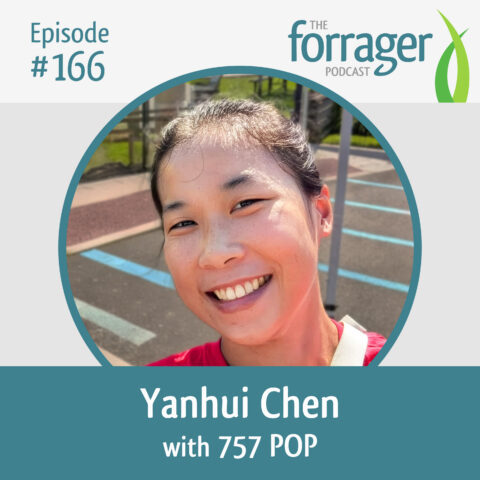 One Year of Slow Sales — Then Everything Changed
Yanhui Chen of Virginia Beach, VA shares how she transitioned from a cottage food business to a food truck and built a thriving business by constantly trying new things until she found what worked
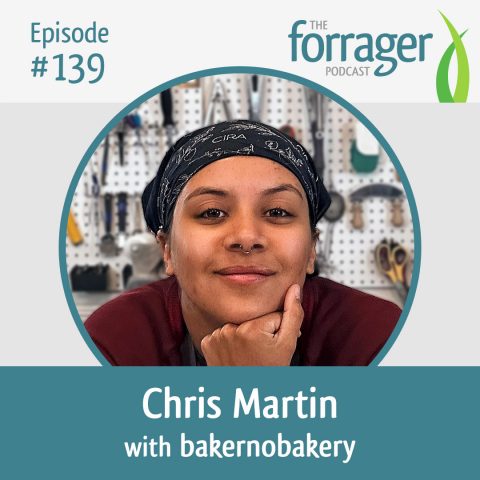 Chris Martin with bakernobakery
Chris Martin of Charlottesville, VA shares how she used her experience working at 3-star Michelin restaurants to build a successful cottage food bakery, and then reinvented it despite its popularity
 How To Build A Customer Base of Raving Fans with Heather & Corrie Miracle
Heather & Corrie Miracle of Fairfax, VA share their top advice for cottage food entrepreneurs based on what they've learned from creating their very successful paid membership filled with raving fans