David Crabill: Welcome to the Forrager Podcast, where I talk with cottage food entrepreneurs about their strategies for running a food business from home.
I’m David Crabill and today I’m talking with Lauren, AKA Lolly Anderson, who is going to be at CottageFoodieCon this April. Now, before we dive into our story, I need to talk to you about something that has never happened before in just two months. We are all getting out from behind our kitchen counters and meeting at the first ever in-person National Cottage Food Conference.
Now I know what some of you’re thinking. Oh, I’d have to travel, get a hotel, and take time away from my family and business. And I get it. It’s a big leap. But I also know how lonely this industry can feel when you’re doing it all yourself. And there is magic that happens when you sit in a room with people who actually understand what it’s like to manage a cottage food business like yours.
So I wanted to make it as easy as possible for you to say yes to your business growth. I talked with the Matt who is hosting the conference, and we put together a deal exclusively for you. The listeners of this show, if you register for the full three day conference.
We’re going to give you 15% off your registration. Plus, and this is the big one. We’re giving you an entire year in my Cottage Food Pro membership for free.
That means for the next 12 months, you’ll have me in your corner. You’ll get our monthly group coaching calls, my personalized feedback on your specific business hurdles and full access to my premium tutorials. So the conference will get you the spark and the connections and the membership ensures that you keep that momentum going for the rest of the year.
But there is a catch. This offer expires this Friday, February 20th. So you have just a few days to decide if 2026 will be the year you take your business to the next level. Come meet me, meet Lolly and other podcast guests. plus a bunch of cottage food entrepreneurs just like you. To get the deal, go to cottage food econ.com. Sign up for the full three day experience, and this is important. You need to use the promo code CFPro15 when you check out. That’s CFPro15.
Again, the deadline is this Friday, February 20th. Let’s make this happen.
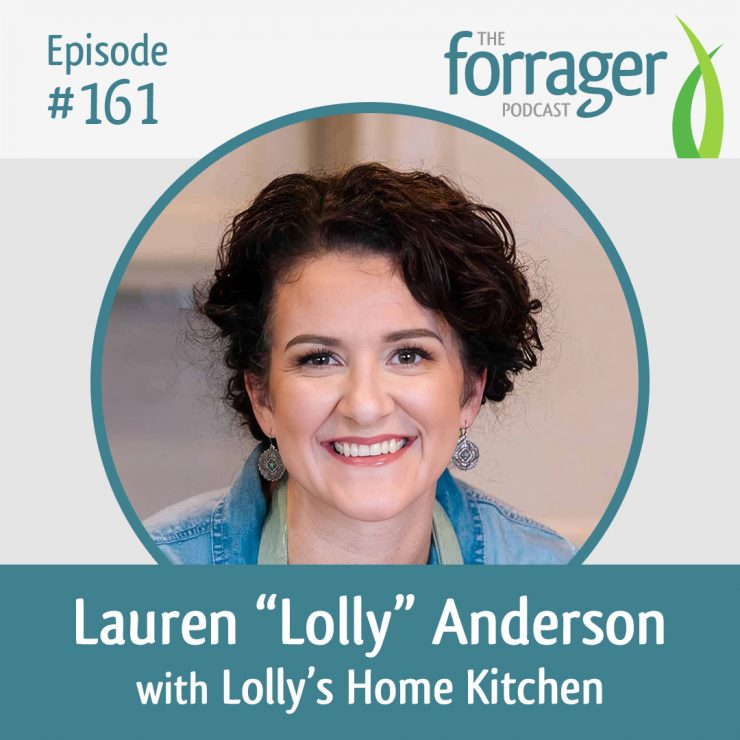
All right, so I have lolly on the show today. She lives in Sioux Falls, South Dakota, and sells custom decorated cookies. With her cottage food business. Lollys Home Kitchen decorating cookies literally changed lollys life that gave her joy during an extremely difficult time, and her newfound obsession quickly turned into a very successful cottage food business.
After a few years, Lolly started sharing what she learned with others and has now built a huge online business that has sold over $1 million worth of digital products. In this episode, you’ll hear how Lollys cottage food business allowed her to overcome personal challenges and transform not only her own life, but the lives of many others as well.
And with that, let’s jump right into this episode.
Welcome to the show, Lolly. Nice to have you here. Oh, so good to be here.
Well, You have a very unique and touching background to your business. Can you tell us how you started in this journey?
[00:03:27] Lauren Anderson: Yeah. Oh my goodness. So my start to this whole journey really began with my son, my youngest son. So I have three kids. My youngest son was born with a number of heart defects, and that really sent us into a tailspin and a whirlwind of, chaos. We knew who would be born with those, but, you don’t really realize how it’s going to change your life until all of that happens. We were in the hospital for a long time and in and out. He had his first open heart surgery at a week old, and then at eight months old he had another open heart surgery. And after that is when things crashed and we didn’t know if he was going to survive.
Our first day in the hospital was about nine months, and then we were in and out for years. And during that time, I became his main caregiver at home. My husband was, working and. I was at home taking care of my other two little toddlers, and then my youngest he was on all sorts of, machines and breathing treatments and, I didn’t realize how fatigued I was getting as his caregiver.
My mom noticed though, and she came into town. We lived in Chicago at the time, and she came into town and showed me how you could airbrush on cookies with royal icing. And she had just taken a class and she thought it was so fun. So she showed me and I was hooked. I thought it was the coolest thing and I’d had some experience with royal icing before, but I never felt like I got it until after my mom showed me you could airbrush on cookies.
I like a light bulb went off and I just started to, I honestly felt like it gave me some life because I was just in survival mode. We were, our whole family was in survival mode trying to keep my youngest son alive. So I started baking. I, just dove into every, tutorial. I, taught myself how to master royal icing, and I started baking and decorating.
My husband came home from work one day, actually I started in um, I think it was October, 2017 when my mom showed me that. so that Christmas I remember baking cookies and decorating them and handing them out to all my friends. My husband had come home from work one day, and the entire main level of our house had tons and tons of cookie trays all over.
And he asked me, you know, Hey, are you okay? And I said, no I’m not okay. I mean, We’re all barely surviving and this is the only thing that makes me feel happy right now. So, I did cookies and I handed them out that Christmas and people started to ask if I’d bought them somewhere and I said, no, like I made them.
And it was the first time that I think in such a long time that I really felt seen as somebody completely separate from being a mother, being a wife. they saw me and this talent that I had. And so that fueled it even more. I then made some cookies that next January for my daughter’s birthday and people wanted to start buying from me.
And I thought well, this is definitely a cool avenue, but I will caveat to say I know so many people that obviously have gotten into the business of cookies and I would say 95% of them are presented with an opportunity to sell cookies and. You just have to make that decision, is that going to be what you want to do with it?
It’s not necessarily for everybody, but it was for me, and I turned it into a cottage bakery business. That thrived. I reached a point where I wanted to teach classes and then COVID hit actually in 2020 I started to teach in-person classes. And so that kind of came crashing down and I was thinking well, what am I going to do? This whole therapy for me that was cookies. Can’t just die like this has helped me so much. I know it can help other people that are going through struggles or just need another outlet or need to have something on the side to make money. And so I realized that my husband and I were doing some marketing for his business at the time, and I made the realization that I could take it online.
And, uh, I knew that if I didn’t share it more with the world, that I would regret it. And so I figured out how to turn it into a course that would then teach other people. And, And in that way I could actually reach hundreds of thousands of people instead of, people in my local area.
But I was still really passionate about connecting with people in my local area and still selling cookies and, expanding on my cookie business that I had outta my home. So that’s kind of how it all started and, and how I got into it.
[00:07:32] David Crabill: So you said that you like got hooked on this cookie thing in the fall of 2017. When was your son born?
[00:07:42] Lauren Anderson: He was born in 2015.
[00:07:44] David Crabill: So this is like two years of, pretty much all of your personal freedom being stripped away from you.
[00:07:51] Lauren Anderson: Yeah.
[00:07:52] David Crabill: Yeah. You know, I, I’m a dad, I have two young kids, and it felt like all the freedom was stripped away from me.
So I, I can’t even imagine what it was like. I know you had two other kids at this time.
[00:08:02] Lauren Anderson: Yeah.
[00:08:03] David Crabill: What was it like to be in it? Did you ever see any way out of it?
[00:08:08] Lauren Anderson: There were two things that I learned during that time about being thrown into this, chaos. Part of it was like, I had the frog in the pot where, they don’t realize that the water’s heating up. It was partially like that.
I’m a very determined person. I have a lot of grit and so I entered it just with sheer determination. And then as time went on and there was just so much, it was just so overwhelming all the time. I think part of me shut down and also I actually ran out of that gumption and that grit to handle all of it.
And so got to a point where like I was just hanging on by thread, literally surviving. I had to learn how to like. try and take one day at a time and people say that, oh, I’ll take it one day at a time. I couldn’t even take it one day at a time.
I had to learn how to take it hours at a time and sometimes minutes at a time, especially when my son was on the decline or, he’d get sick and he was back in the hospital and again, he’d been on multiple forms of life support. It’s like, I can’t even think about anything except the next couple of minutes.
I also had to learn how to accept help from people and rely on friends and family and people from church to like, help out with my other kids because my husband couldn’t stop working, so I didn’t even know what I needed to climb out of until I started to feel like I had some life back in me after finding this creative outlet. And then it got to a point where my son was home longer than he would be in the hospital. Right? So we kind of made that flip and then we’re like, okay, great.
We’re home for a few months at a time with maybe one hospital visit. And then it became more and that’s when I started to realize, wow, like I’ve just been surviving. Like how do I get past this? And I it was just slow. It was gradual into the depths of everything we experienced and then kind of this gradual climb out of it too.
[00:09:49] David Crabill: Do you feel like. Going through such a difficult time in your life has influenced your business in any way. Like, now that you have so much more freedom in your, of your time, and I’m sure you’re still very busy as a mom, but do you feel like going through such extreme experience has affected how you are as an entrepreneur?
[00:10:11] Lauren Anderson: Oh, absolutely a thousand percent because it changed me. I mean it completely, Was the thing that broke me down. And then because of that, I had to grow into a new person that could handle all that. But also my perspective, my husband and I, we both talk about, man, our perspective, just changed so much about what’s important in life and what we’re capable of, what we’re able to go through and what we can learn from it.
And so I feel like for, as a, the business side and as an entrepreneur it’s really hard to endure sometimes in all of the ups and downs that happen when you’re running a business. But I actually, I feel like going through that completely changed who we were. And the purpose that I have now is so solid.
I’m not doing this to try and make a buck, right? Like I know what people are capable of. I know what, it feels like to be in such a difficult time of your life. And I just, I truly want to help people like our purpose. I feel like my husband and I, our purpose for running our businesses is so deep that it’s, yeah, absolutely has changed our view of, and my view of business and being an entrepreneur.
But it’s also, I’m just, I’m grateful for it. It was really hard and it doesn’t mean we don’t have hard stuff now. Like there’s definitely still ups and downs and you just have to kind of endure. But it’s helped me to learn how to endure the hard stuff so that you can get to the good stuff.
[00:11:31] David Crabill: Now you had mentioned that you at this time when you were kind of doing the, cookie thing that you were helping your husband in marketing for his business. So do you have business experience? Ansett predated this business.
[00:11:46] Lauren Anderson: My background is in graphic design. I went to college for that. I started doing graphic design and had kind of a really small little boutique agency when I met my husband and then continued that until we started to have kids when my youngest son, Micah was in the hospital, all of that shut down.
I wasn’t able to work or do anything. So I do have a creative background. I never really did marketing. We got kind of a crash course in digital marketing when my husband just was desperate. He needed some help. He’s an accountant and so he needed some help in his business and he’s like, honey, help me.
You know, I need you to, try and do some marketing. And so we, got a crash course in it and then I, you know, learned how to apply it to this cookie business that I wanted to grow. But people hear that, oh, you’re, you know, you’re creative, like you’re a graphic designer. I honestly I wasn’t savvy in business and I was not savvy in marketing when I started out.
There’s been a huge learning curve. I feel like, man, if I could figure out how to do all of that, then anyone can. And it’s like, I tell people that with cookie decorating and royal icing, it’s like you don’t have to be a quote unquote creative person because one I can teach you, or, there’s steps along the way to learn something.
We can learn anything that we want to learn. It’s not just ingrained in us, you know?
[00:12:59] David Crabill: How do you feel like your graphic design background has influenced, maybe not just the cookie business, but also, you know, you’ve now built up this influencer business doing online courses.
[00:13:11] Lauren Anderson: It definitely has influenced my love for creativity. I have a passion for it, and so that passion for visual design and color and aesthetics that I feel like I still get inspiration. And I tap into that, artistic side of me, graphic design wise, has given me the ability to understand maybe some of what deliverable, I mean, deliverables in, in my business, a lot of PDFs, a lot of, templates and things like that are needed In this craft of cookies, for instance. And so my graphic design background is really helpful with that. But even now, you know, I have, some other people on my team that are graphic designers.
Like, I actually don’t do a lot of that anymore. But it’s definitely helped in my translation of turning creativity into the type of business that it is, for sure. I still have that passion. I’ve had a passion for artistic things since I was little and that still continues.
[00:14:05] David Crabill: I saw that you said somewhere that the first time you tried to do decorated cookies, it was a failure, and then you didn’t touch them for years. Is that right?
[00:14:15] Lauren Anderson: That is true, yes. Probably around between 2010 and 2012. I had tried royal icing once and I was like well, this did not work actually multiple times. And I’m like, oh, nope, not for me. And I was like, that’s just not for me. I’ll do buttercream with my kids or something.
But then my sister-in-law she was doing a lot of cakes around 2015 to 2018 ish, I want to say. And so we were at her house one time and she was having fun decorating a cake, and we were talking about royal icing, and she’s like, well, no, just, you know, she gave me a couple of tips and she’s like, well, try it again.
And I went home that weekend, I tried it again, and that was the first time that It worked. It worked enough, right. I was like, oh wait. think I got it. So I had to finesse a little bit after that and, practice a little more. But yeah, I did not I think people think a creative people can do any type of creative thing, like I failed at royal ing to start but then after my mom had showed me the airbrush and I was like well, I got to figure it out, and then it all started to come together
[00:15:09] David Crabill: So it was 2017, you got hooked on the cookies and then people started to ask if they could buy them from you because they were so impressed. So did you just start to sell? Like how did the first few months of your business venture go?
[00:15:27] Lauren Anderson: Yeah, I remember people wanted me to sell so, I started figuring out how to do it. So, I actually started looking at, okay, what tools do I have? What’s it going to take? Do I need to set up, business stuff? my husband was helping me with that as well, but I honestly, I had a couple people who wanted to buy, and so I started selling.
And I don’t know how to describe it. It’s like I’m a really quick start. Like I’m really, if something’s got my interest I start really fast and I’ll take it off to the races, and then I realized, okay, hold on. I got to make sure that I have the right licenses if I need any, And then I actually was curious like how much money could I make in a, cottage bakery before I have to start paying extra taxes or something like that. And so, you know, I did my research, and then, yeah, I developed, you know, what are my invoices going to look like and how many orders can I take at a time?
I did start doing presales too. So I think it was that February I started into Valentine’s was coming up, so I thought, well, I got to start with a presale. I really like presales because it’s, a little bit more sure. Like, you know, How many orders you have coming in.
So I started with a presale and then after that is when my custom orders started taking off. wanted to make sure I had things in line before sharing about my presale. And I didn’t even have a thousand followers at that time. But I was starting to, post pictures to socials to share what kind of cookies I was working on.
But yeah, that’s what I remember.
[00:16:55] David Crabill: So do you remember, did you feel like, oh wow, this is actually a really good business opportunity? Like Was that something that you were thinking about or considering at the time?
[00:17:05] Lauren Anderson: I was probably half and half. I was just, thrilled that I could make money from cookies and I thought well, this is a great business opportunity. my CPA accountant husband though, came to me one day and said, Hey you’re not actually making money. I was like, what? I was angry. I was mad. I was like, excuse me. Like I am working my butt off and I’m having fun and I, people love my stuff.
And he said, but you’re spending more right now than you’re actually making. And part of it, he was looking at the actual Revenue I was bringing in versus my costs, and then also time because it was taking time from. My family. obviously I was, still taking care of my kids.
maybe I wasn’t making any minutes, many meals. The house was probably a mess, more of a mess than normal. But my sanity mattered as well. And so the beginnings of it was, it was a balance of that. I’m like well, this is keeping me sane. Okay. I’m not quite making what I want to make. And so then that was just the reminder I needed and I was determined.
I was like well, dog on it. I’m going to, I’m going to figure this out. I’m going to make sure that this is actually something that makes money. And I think that’s something that I’ve seen a lot of, cottage bakers can get into is like, well, it seems like, well, I’m making a lot, but you really do have to look at your, profit and loss and keep track of your costs versus what you’re bringing in.
so I began that journey. I was not going to let my husband be right. And so he was right in that moment. It took me a few months to get into a rhythm where I was regularly checking my costs and then making sure that at the, when I started, I love efficiency too. And that was when I started to try to apply efficiency to my business in the sense of well, maybe I don’t need, three new cutters for this set.
Like, I have a ton, I can use what, a lot more of what I have. And then that was also when I was looking at what I was charging people and I did have to increase my prices to accommodate the costs that were going into it so that I could feel good about what I was charging people, but also. Love what I was doing.
I didn’t want to turn it into something that was so businessy that I lost my creativity. And that is a balance that I still, have to evaluate every few months of like, okay, like am I still getting enough of my creative time and am I still, is the business part successful too?
[00:19:15] David Crabill: Do you remember like what your cookies were priced at back when he told you that?
[00:19:21] Lauren Anderson: $32 a dozen is where I started. Then it went to $38 a dozen, and then it went to $42, $48. And when I left, well that was still when we were in Chicago and I left Chicago and we moved to South Dakota. I was at high fifties or low sixties. I know even in the Chicago area now, it’s anywhere between $65 and like $105, per dozen.
So. that was appropriate for how beginner I was as well, but yeah, I I remember $32 a dozen.
[00:19:53] David Crabill: And so that’s interesting. So you moved from Chicago to South Dakota. When you made that move, did you retain your pricing?
[00:20:01] Lauren Anderson: I did.
[00:20:03] David Crabill: And you also moved into a brand new area. beacuse I, I hear this from a lot of people. They think well, you know, I don’t know if I could start a business beacuse I just moved here. So how did you start selling in a brand new area and keep your business going?
[00:20:17] Lauren Anderson: yeah, we did not know anybody here. We actually moved here. for numerous reasons, but we didn’t have any family here. We didn’t have any friends here. we found really great community in the church that we go to.
It’s all over. And so, we usually immediately find friends when we moved to an area. But as far as the cookie business goes it took a little bit, to get really moved in, I was also had started to take things online, so that was taking some of my time before I could get back into selling cookies from home.
My daughter wanted to start getting into it too, so I was like, okay, well we can, what if we do this together? after a year of being here, then we did, I guess I start with Valentine presales. So she was selling brownies and I was doing cookies. And we ran that. But I checked out all of the cottage food laws for this area, the new area, and made sure that we were in line with all of that.
[00:21:09] David Crabill: So in those first few months or whatever, when you said you weren’t profitable, do you remember how many cookies you were selling? Like how many orders were you taking? Were you taking multiple a week? Were you taking one every other week?
[00:21:21] Lauren Anderson: No, no, No. Multiple per week. I was all in, like, all in on it. So, I was taking multiple per week, and then with pre-sales I would, oh gosh, I was making anywhere from 500 to a thousand cookies in a week to meet those orders that I was bringing in. And that was, you know, an intense period. Right. So, I I remember taking one to two weeks break afterward because there wasn’t, you know, seasonal and so there wasn’t another big sale. But I did take a, a little bit of a break after those super big weeks to, regroup and then, I would take custom orders in between the presales.
[00:21:54] David Crabill: So did it seem easy to you to get new customers or to get orders?
[00:21:58] Lauren Anderson: Oh yeah. New customers were not a problem and I cannot even remember how it happened. I think just the word got out and I had no problem with orders coming in. It’s just people wanted cookies and they found out there was somebody, you know, I was doing them. And so people were telling their friends.
And I have found especially with all the other cookers in, in my community that, you know, my lollies community is, that’s typically how it’s gone, is people start telling their friends and then they tell friends of friends and orders start to come in There’s obviously those that don’t, you know, it’s like, well, I want to start selling cookies and it’s difficult.
How do I get my name out there? I’m not getting a ton of orders. So I don’t know. It’s, right off the bat, it’s a little bit touch and go because it can be real slow or it can be like, wow, I’ve got 20 people that want cookies from me in one week. You know? And so it can be a little hard to navigate.
[00:22:50] David Crabill: You know, you started really fast. You started selling custom decorated cookies. Just a few months, after you started learning how to make them. So how did you feel about your confidence level in your, your actual skill and being able to sell them?
[00:23:06] Lauren Anderson: In the beginning I was just, I loved it so much and I was so thrilled. And I knew that they weren’t as good as like all these other pros that I was seeing, but I felt pretty good about ’em and I felt good enough to offer them for sale. Looking back now, I have a folder on my phone of pictures from the very beginning.
And I, felt like, wow, these are pretty good, And I knew that because people were willing to pay for them. But looking back from my skill level now, obviously they weren’t as good as I maybe thought that they were at that time. But beauty is in the eye of the beholder, especially when you’re selling cookies. Because most people that are buying them They’re not as interested in the skill level as they are. Oh, the pretty colors. Or, you know, they have something nice that looks great for their event or whatever it is.
[00:23:48] David Crabill: Yeah, we’re all our own worst critic. Right. So,
[00:23:52] Lauren Anderson: Yes.
[00:23:53] David Crabill: So you had no problem getting customers, you had a lot of orders, but you were not profitable. Do you feel like your business would’ve gone differently, either better or worse if you had charged enough from the beginning or you were profitable from the very start?
[00:24:13] Lauren Anderson: Yeah. Probably if I had started up front with a $60, I don’t, I honestly don’t know if I would’ve gotten quite as many customers. I think in those first three to six months, I had a ton of orders coming in. My rate was probably on the low side, but. That was what I had confidence in. It also gave me a huge practice runway.
So that first three to six months was practice in how to handle orders what to charge and all of that. I mean, I’m very much of the mindset, like there’s no real failure. I feel like I learned, and that’s the whole point of those ups and downs. It’s we learned something. I don’t look at it as a failure that I didn’t make money in that time.
I look at it as well. That was a huge lesson, and when I realized I wasn’t making very much I, learned from that and then turned it around
[00:24:59] David Crabill: So what do you recommend to new entrepreneurs do you think? They should be concerned about profitability from the beginning, or do you think they should be more concerned about making as many sales as they can?
[00:25:12] Lauren Anderson: I think. That they should have an eye on profitability from the beginning, because there’s people like me who’ve gone through it, and now, you know better. I don’t want any new cooker to struggle like I did, or to have the beginnings not be profitable because of all of the knowledge that’s out there now is a beginner.
Somebody who’s just starting to sell cookies doesn’t need to struggle, and they don’t need to learn those lessons because there’s people like me that already have and so, yes, I, from the very beginning, you do need to understand that if you’re running a business, then a business needs to be profitable to continue.
But there is some runway. I do, I really appreciate that. I got some practice time, you know, so, I think it’s uh, a mix of both. I would just, you know, it’s, it’s don’t be too hard on yourself in, learning the ropes from the very beginning, but you have to understand that from the business side, there’s certain things that are going to be important.
And then from the creative side, you’re going to need practice and you’re going to need to, you know, feel confident in what you’re charging.
[00:26:16] David Crabill: What’s something that you felt like you did in that first year of running the business that worked particularly well?
[00:26:24] Lauren Anderson: I would say my communication flow. So I didn’t want to have to chase messages from people or you know, miss orders or, you know, miss messages from people or not, you know. I wanted to make sure that there was one flow of communication. So if somebody wanted to order, I was very clear about here’s exactly how you do that.
Here’s exactly how you pay. I made sure that it was easy for people to pay. That is the single most sticky point in the customer process is, if it’s not clear how to actually place an order and pay, you will not get very many orders. And it’s hard sometimes. I think we’re starting out in business, you know, we have to get comfortable with a money relationship as well, but it’s actually treating the customer well when you make things clear for them.
And because I have a, an accountant for a husband that’s, helped me with some clarity on the money side. I knew that was an important part, that okay, I have to have a clear way for them to order and I need to make it easy for them to actually pay me for that order.
And it ended up being, a better customer experience because of that as well.
[00:27:30] David Crabill: So what did that look like in your business?
[00:27:33] Lauren Anderson: For me there was the initial, if I was, sharing on, I think mostly on socials that I had something to buy, then I would send them to an order form. From that order form, those came into my email inbox. And then from there I would communicate directly with the customer for custom orders.
I always sent an estimate that I could turn into an invoice. And on that estimate, if there were any extras that they were wanting. I would clearly price out things that were included in my regular pricing that maybe would be additional for another cookier, for instance Bose on your packaging or gold details.
I typically love to include those things anyway, and so I included that in my pricing but I made sure to note that on the invoice that that was something of value it didn’t feel like people were being nickeled and dimmed. And that really helped.
[00:28:26] David Crabill: So you’re spelling it out for the customer. Like, Whereas a lot of people might just say here, here’s my price for a cookie, and then they just include everything. You’re actually like allowing them to know all the things that they were getting kind of for free, quote unquote.
[00:28:40] Lauren Anderson: Basically. Yes, exactly.
[00:28:42] David Crabill: Yeah.
What’s something that you teach new entrepreneurs that you feel like isn’t taught enough?
[00:28:50] Lauren Anderson: It would probably be on the financial side. It’s not taught enough the mindset around money and along those lines of being clear about it, not being afraid to let your customers know, here’s what this is going to cost and here’s why. So many people that get into business have a really bad relationship with money themselves, and it shows in their business and they don’t charge enough. They don’t charge enough because they’re not comfortable with accepting money. So I teach them a lot of mindset around that.
[00:29:22] David Crabill: Do you feel like you had a a challenging relationship with money yourself?
[00:29:27] Lauren Anderson: yes, so my whole life, I think I had a challenging relationship with money growing up. It was always a, touchy point which is for a lot of people, I think that’s a lot of people’s experience.
But I wanted to become savvy with finance in a way that I could understand as a creative, I’m not naturally inclined towards numbers and number logistics. So my husband has helped me a lot in that area. But I think. As new business owners come in, new cookiers, come in. Just because you don’t know it now doesn’t mean it’s not a skill that you can’t learn.
And I’m living proof of that. I’m living proof that you can understand finance and business enough to successfully run your business, run your creative business,
[00:30:10] David Crabill: So what do you mean by that? Like, how did you actually change your relationship with money? Was it just from learning from your husband, how to look at numbers or was it actually changing how you think about it. Like, you know, What can somebody who doesn’t marry A CPA do to change their relationship with money?
[00:30:32] Lauren Anderson: I think the biggest thing is conversations and talking about money. It was taboo growing up for me to talk about money or just having open conversations about how much things cost and why we spend what we spend.
I am sure there’s so many others as well, like me, who just have an emotional relationship with money. And so, through conversations with my husband, through me looking at my own profit and loss statements, looking at the numbers, not being afraid to look at the numbers in your business. We’re talking sales numbers, marketing numbers, and like financial numbers.
The more we remove emotion from it then we can look at those numbers and not feel. Bad emotions from it. So it’s been through practice in having open conversations about it and then looking at all of the data and numbers regularly. So it’s has to become consistent where every single week you have a standing appointment.
In fact, that’s what I ended up doing, is I, put it on my calendar every single week at 12:30 on Tuesdays. I look at all my numbers, whether it felt painful or not. I made a promise to myself that if I was going to get good at it that I, that I wanted to be good at the financial side, that I had to stay consistent and be open to looking at the numbers.
And then it started to become more comfortable and now it’s regular. And now it’s like, oh, I’m not afraid to look at the numbers, whether they’re good or they’re bad. it was through that practice for me.
[00:31:56] David Crabill: And so at 12:30 on Tuesdays, what numbers are you actually looking at?
[00:32:03] Lauren Anderson: Yeah. So I go over my profit and loss statement and I look at what were all my costs that came through, what’s the revenue for the last week? And I look at the whole month. So yesterday I went over them and looked at all of January so far. And then I also looked at the last seven days.
And I look at my marketing numbers too. So at that same time, I look at the financial numbers, the profit and loss statement, and then I look at all my marketing numbers. You know, I send out emails, I look at my Instagram and my Facebook numbers. I have a Facebook community. So I look at, the engagement that’s happening over there.
All of those, marketing data as well. ‘ cause those are what influence all of those financial numbers too.
[00:32:41] David Crabill: And so you’re looking at this within a piece of accounting software.
[00:32:46] Lauren Anderson: Yes.
[00:32:47] David Crabill: probably QuickBooks, I’d imagine. cause your husband’s a CPA, right? So he’s going to be using QuickBooks.
[00:32:53] Lauren Anderson: Yeah. But any accountant, right? So whether you’re looking at ’em yourself and you’re running your own QuickBooks, or you have an accountant that’s helping you do that, most likely it’s going to be in QuickBooks. That is a pretty big software. Wave apps is one that my husband and I recommend to new cookiers as well for invoicing and things.
But QuickBooks is a good way to go.
[00:33:13] David Crabill: Is there a type of person that you think a cookie business would not be a good fit for?
[00:33:22] Lauren Anderson: Hmm. I would say anyone who is doing it because other people told them to or is doing it because all these other people tell me I should sell cookies. And if that’s the reason that you’re doing it, you should not be in the business of selling cookies.
[00:33:37] David Crabill: Well, hold on a second. beacuse I, there’s been a number of guests on my podcast that have started successful businesses and they say, part of the reason they start is beacuse people told them they should sell their items.
[00:33:49] Lauren Anderson: Okay. Okay. And it’s lasted a long time. Like That’s just how they got their start,
[00:33:54] David Crabill: Yeah, and I think I know what you’re saying is that you shouldn’t be doing it just for someone else. Right. But like [00:34:00] there was obviously still that interest and that desire within themselves and maybe other people telling them to do it, validated that.
[00:34:07] Lauren Anderson: yes, if other people are validating that, then it’s fine if other people are the reason. It just won’t last long because there’s too many trials, there’s too many hard parts about it that are going to make you want to quit. If you don’t have a real reason, your own why? If you don’t have your own, like motivation for doing it, then it, likely won’t last as long.
[00:34:28] David Crabill: So you, built up this pretty successful business over the course of a couple years, and then I know late into 2020 you started to teach in person, started to teach online. Why did you decide to move in the direction of teaching others about what you had learned as opposed to, I mean, you could have started to, you know, increase your online presence of cookies.
You could have done e-commerce, you could have done a brick and mortar, you know, you could have expanded the cookie business. So why’d you decide to focus on teaching people instead?
[00:35:02] Lauren Anderson: The reason that I just leaned into teaching people is because I wanted more impact more quickly. I had no desire to do a brick and mortar. That was a really slow road in my view. Also very much more time consuming. So the format that I, knew I could take online. Could reach hundreds of thousands of people in the same amount of effort and time that I could reach 20 people in a local cookie class. And so I had much quicker room for expanding and reaching people than starting a brick and mortar or continuing just to do it locally. And part of my, motivation was that it had helped me so much.
I’m like, this like has saved me, right? And if this has helped me, I have to get this to more people faster. So it can help them too.
So at the time I had less than a thousand followers on Instagram, and if I had gone the route of organically trying to maybe build my socials or do a brick and mortar, that was still fairly limiting and I needed customers in order to be able to build a community of people that would then, buy from my brick and mortar or buy from my stuff online, right?
I could have opened a shop online, but I didn’t have enough eyeballs yet. I didn’t have enough traffic. I didn’t have enough customers to sell the things if I put them online. So, Reaching people with a course online, I reached hundreds and hundreds of thousands. It built my customer base and filled my community, so then I could have even more reach from there.
So I very much look at my eyeballs and traffic, right? If I don’t have enough people, even looking at my website today, it doesn’t bring in the sales that I’m hoping, to shoot for it. I’m not able to reach more new people. And so that was the reason that I didn’t just, open a brick and mortar or try and build a different way.
I, I did use ads in the very beginning to jumpstart my reach online.
[00:36:55] David Crabill: So that’s actually relatively unique. beacuse I feel like a lot of people don’t do the social media ads when they are starting a venture. Now. I would actually say like, I don’t think that social media ads are a great fit for an actual like, cottage food business. But in terms of trying to sell, to hundreds of thousands of people, right?
Nationwide, they can work sometimes. how did that go for you? Did you feel like the ads were effective?
[00:37:19] Lauren Anderson: Yeah, that was the thing that jumpstarted everything. So when I launched cookie camp, so the online, you know, how to bake and decorate ads were the thing that propelled that initial product. Okay. So it was a digital product. It had the capability to reach people all over the world. I did use ads to jumpstart that.
And something that I do see with, yes, people are making cookies in their local area, it doesn’t mean that they can’t have some other digital item that they could use ads or boosting for to reach more people outside their local area or closer to their local area, right? The point of having digital products and things sometimes is to draw in more people so that they will either buy cookies from you or maybe some another product that you have.
So I really love digital products for that reason. And I think that every cooker should have some sort of other digital product that can meet customer’s needs besides just their physical cookies.
[00:38:17] David Crabill: So, which platform or platforms did you put the ads on, and how much did you spend?
[00:38:24] Lauren Anderson: Facebook. So we started with Facebook ads. We did a thousand dollars test over three days at the very, very beginning. And then by the results of those ads during that three days, told us how much more we should or shouldn’t spend. Now over the course of, the last few years we’ve spent over a million dollars in ads. But we started with a thousand dollars over three days.
[00:38:47] David Crabill: A million dollars in ads. That’s crazy. So what was your return on ad spend? that’s a term , for those who don’t know, that’s means like, how much did you get back? You spent x number of dollars on ads and you’re getting back why, in terms of sales.
So what was your return on ad spend with that initial thousand dollars and then how has that changed over time?
[00:39:10] Lauren Anderson: Definitely changes over time. So in 2020 we were getting anywhere from two to 10 times return on our ad spend. It was awesome. It was wonderful. We were just running ads like crazy. In, was it end of 2021 or beginning of 2022? Our ad account got shut down and it was never the same after that.
But also we never got a 10 x again. We were getting like a one and a half to two return. And then eventually the last few years, like I’ve run ads in the last 18 months, maybe 18 months to two years, I’ve run ads for specific events that we’re running, but not ongoing like we had before because it’s much more expensive now to run ads.
I would say everything now compared to 2020, 2021 costs me three to five times more to run it in my business. So it’s much more expensive [00:40:00] to run ads and things now. It doesn’t mean that it, it’s not good to run them. It just depends on. What you’re trying to accomplish with them.
Um, boosted ads were doing well for a little while. I’m not sure how well they’re doing right now beacuse boosted ads were good for local areas for a while. So yeah, it’s not like it used to be. I’m hoping, hoping maybe it’ll turn around again, but no.
[00:40:24] David Crabill: Well,
That’s something I wanted to address as well is that, when you initially started to try to sell with ads, you know, we’re talking in 2020, right? Or maybe 2021. That’s like the time when there was a booming interest in decorating cookies. You had tons of people stuck at home interested in this.
So that alone might be part of the reason why it was much less expensive and you got a higher return on ad spend just because there were so many more eyeballs. There’s so much more interest. And we’ve kind of had to reset a bit since people have gone back to work and there’s just not as many people out there that are trying to learn this stuff.
Right. Does that sound accurate to you?
[00:41:09] Lauren Anderson: Yes, yes.
[00:41:10] David Crabill: Yeah. But also two to 10 times a return on ad spend, like especially up in that, I mean, even two times, right? Like. If you’re getting two times your money back, you just keep on going forever, right?
I mean
[00:41:24] Lauren Anderson: You have an unlimited ad budget if you’re getting a a two X.
[00:41:28] David Crabill: yeah. that’s not typical anyway. So what would you recommend for someone today? Like when would they know, okay, this would be a good potential time to use ads.
[00:41:40] Lauren Anderson: So what I would recommend now, and in fact it’s something that we’re doing, is, there is a little bit of a learning curve when it comes to running ads on meta Facebook, for instance. It’s worth the learning curve, because what we’re actually doing is I’ve used agencies before to run ads and it’s never, as I would say, profitable.
We are doing some in-house, so we’re going to run some just ourselves. What I would recommend now for a cottage baker is if you are gearing up for a presale or if you have some special designs that you’re going to be able to do custom orders for, for a specific season, that is a great time to boost some of your social posts and or create some ads that you can run during that time period.
I would do a limited time. It also is good right now to have some, I would describe it as like a, a low burn. So if you have some ads that you can, even like a five to, $10 a day or a week is something small that’s running to keep your ad account active in between the times when you’re boosting for like a seasonal sale.
Meta likes that. Meta likes you to stay active. So if you’re able to just keep a low burn and then boost it during your seasonal times.
[00:42:58] David Crabill: And just to clarify, when you say there’s a learning curve, you mean you’re losing money, right? You can expect to lose money probably when you’re starting. Out learning what would work best for ads.
[00:43:09] Lauren Anderson: Well, yeah, so learning carven you might lose a little bit to in the beginning, but also just in the skills and learning how the ad platform works and, what is the best way to run them so that it’s in line with what the algorithm is doing. And there’s multiple short, really impactful courses that you can take to learn ads.
So that’s what my husband and I did in the beginning. We ran our own ads in the very beginning, and we took a short course and learned just the basics of how to put ads up on the platform and how to turn on your ad spend and all of that.
[00:43:41] David Crabill: If you’ve spent over a million dollars on ads, then I would presume you’ve sold over a million dollars worth of digital products. And that’s revenue. I know it’s revenue, not necessarily, net profit, but still, this a significantly large business we’re talking about here.
So, Aside from running the ads to help get eyeballs, what do you feel like you did that worked well for, getting your digital products out there?
[00:44:11] Lauren Anderson: Yeah. So, I was not afraid to share on socials and kind of be out there. I started to draw people into my Facebook group and I was going live in there all the time. I was just being engaging, and it was a little bit of a, something different for me because i’m a little bit of an introvert.
I have a little bit of extrovert in me that I have to nurture because sometimes I just want to go in my cave and be creative. But when my son was in the hospital was when I started to, I call it publishing. So people wanted to know how he was doing, and I had uh, Snapchat at the time and Facebook, and I was sharing updates.
And so that was my first really introduction to sharing my face on camera and like just updating people as to what was going on. It wasn’t natural for me to start, you know, showing my face on camera. I was much more comfortable taking pictures of my cookies and putting them on my Instagram and that was wonderful.
But we’re in the video era now so, static photos, don’t cut it. And so you do need some video, I would say getting used to publishing and just continuing to share, share the process of you making them, share the finished version. Share a little bit about yourself. Don’t be afraid to put your face on, in a reel.
And a ton of your cookies on there. I think that’s the best way.
[00:45:27] David Crabill: So it’s interesting with you publishing updates about your son when he was in the hospital. What prompted you to do that in the first place? Because I feel like most people in your position, you know, they’re completely overwhelmed. They probably just kind of hole up and not be publishing.
[00:45:47] Lauren Anderson: Oh, yeah, it was twofold. So one was people were asking, we had a lot of people asking. I’m like I don’t want to be messaging 25 different people back, on my dm. So how can I just let everybody know what’s going on? So one was that I just, I wanted to just, here’s one update, everybody can see it.
But also I learned through my other two kids. I experienced postpartum blues after they were born, and I knew I, I learned that connection defeats that introverted kind of isolation that can lead to depression. And so it was a survival thing for me. I knew that if I did not connect and reach outward, that I would.
Be too isolated and I would be of no use to my son who was trying to survive in the hospital. I had to reach out, I had to publish, I had to connect with people. And I think that’s, I want to liken it to, if you’re running a business, like it is so important to continue to connect and reach outward.
And that is done by your socials. And just sharing like, here’s what I’m working on today, and here’s what I’m making for dinner. People can build that human connection with you, especially in this age of ai. Just finding a way to publish something every single day is going to get you in the habit of being seen online and being heard and drawing attention to the craft and what you’re trying to sell.
[00:47:04] David Crabill: When you started teaching online in 2020, certainly by this point you are well aware of the many semi-famous influencers that teach cookie decorating out there, you know, cookie con is a big thing and all that stuff. So, Did you have any kind of imposter syndrome or feel like who am I to be teaching this stuff online?
[00:47:29] Lauren Anderson: Oh, absolutely. And that still comes and goes. In the beginning when I. Started really teaching. I was so focused because I had turned off all of the other I was like, I only had a certain amount of time between taking care of my kids and, and getting this thing out there that I, hold up in my house and just knew that I had to produce and I had to stay ultra focused, but then I had to step out of that, right?
And it’s like, how do I see all the other things that are going on and what everybody else is doing? How am I still relevant? I think it is just something you’re. Normal to expect as [00:48:00] you’re on the journey of running a business like this is your, there’s this whole imposter syndrome. Yeah.
I mean, When we compare ourselves to other people, we’re going to feel that. I think it’s important to remember one, just gratitude. Gratitude has helped me so much. Because it makes me step outside of myself. It gets me outta my head. And the other thing is I want to compare myself to myself. I want to compare myself to what I did and who I was yesterday or the month before, the year before.
And when we can contrast just ourselves to who we were versus ourselves compared to somebody else, we can get out of that imposter syndrome real quick.
[00:48:34] David Crabill: And also at the same time that you were starting to teach people online, this is right in the pandemic, when thousands of other people decided, you know what, like I’d like to make money online, you know, selling my knowledge about how to decorate cookies. So what made you especially successful at this?
Was it just the ads or, was it more than that?
[00:48:58] Lauren Anderson: I think it was a little bit like I hit things at the right time. But I was all in was like basically go big or go home. I had to put everything I had into it. I had to show up big or I wasn’t going to show up at all. And it’s interesting what things end up showing up, like online or in a business, I would say is a 10th of the effort that it requires to make that it’s like when we have puffy icing, but it when it dries, it’s about, maybe 10 to, 30% of the volume that it was when it was wet icing.
It’s like that with business efforts, right? We’re creating and we’re putting all this effort into it, but online it shows up. differently. And so I knew like I had to build something that was going to make an impact and that was going to have a longevity or it would just be a blip on the radar and not last.
But the biggest thing I would say is was all in, I think dabbling is where we can get stuck in like, oh, I’ll dabble in it, but then it’s not really going to, be big enough to continue or it’ll deflate real fast.
[00:50:04] David Crabill: One of the things I noticed looking at all your stuff and, over the past few years is that you are kind of an expert now in marketing. You said you didn’t have a background in it, but like. even just the way you talk you are on news, a news spot. You know, Just the way you talk and your website and everything is you understand, like sales psychology, you understand how to position things to get people to commit and then therefore that, change their life, right?
So where does that all come from?
[00:50:39] Lauren Anderson: Our crash course in digital marketing came through Russell Brunson and the ClickFunnels world. So, Russell Brunson is a entrepreneur who teaches people marketing strategy, marketing psychology. His, ultimate gift is in marketing. He, started a company called ClickFunnels, which helps you build sales funnels.
And now you can find lots of other platforms where you can build a sales funnel. It’s different than a regular website, but our crash course came through Russell Brunson. It’s still really impactful and powerful. Everything that he has taught there were books, so it started with me and my husband with Russell’s book, expert Secrets.
There’s also.com secrets. Those would be the very first ones that I would recommend. In fact, this last week somebody asked and I said, you need to read Expert Secrets by Russell Brunson. That is the best introduction to the marketing psychology and really understanding the kind of things you need to do in order to be good at marketing whatever product it is that you want to market.
[00:51:39] David Crabill: Yeah. And just for those who don’t know, I mean, Russell Brunson is maybe not a household name, but he is an enormous name in the online marketing world, you know, so he is like one of the, the very, very biggest people that teaches this stuff. and you know, you obviously tell people to get a coach such as yourself, right?
To help them build their business. Did you have a coach to help build this business?
[00:52:02] Lauren Anderson: Yeah we’ve had multiple coaches. Russell we actually joined his inner circle for a while. So Russell himself has been a mentor to us on the marketing side. We’ve had various business coaches and life coaches. Coaches, so usually with coaching, there’s either meetups or masterminds, a lot of people call them, where you’re meeting other people that are being coached by that person too, or you’re meeting other people in that niche or that marketing. We’ve met a lot of people in the marketing space that we then, built relationships with and learn other things about marketing and about business about growth.
Trying to grow a business as well has its ups and downs. So, Finding a coach in different areas that you want to get better at has helped us. I currently even this year have realized that, I need to shift my coaching. I don’t necessarily want to coach for all the things in my life.
I want specific areas that I’m looking to grow in. Technical business is something that I am looking to grow in this year. So yeah, short answer is yes. I think having a coach is very important because as you’re leading other people and you are trying to implement lots of things, you need somebody that’s been where you want to go, that can guide you and teach you and coach you along the way.
[00:53:17] David Crabill: And you referenced it briefly earlier, but it sounds like you’ve got a team now, helping you build this thing.
[00:53:24] Lauren Anderson: Yes. Yeah. So it started, I was, everything from the beginning was just me. My very first hire was a customer service help. You may hear them called VA’s virtual Assistant. So my first hire was a virtual assistant that helped me handle my customer service inbox. And it was I was so grateful when I had some help to start just making sure people had answers to their questions and could access all of their, you know, materials and things.
And then from there, yeah, I now have a we are small but mighty still. I’ve, had larger teams actually. And then this last year paired down a little bit to, kind of finesse how I was running the business on the backend, and, things got more expensive and, there’s sometimes a rollercoaster with growing your business and running a team.
But yeah, I’ve seen the ins and outs of, business from a small perspective where I’m running everything, but you can only get so far. I mean, Really the, that’s a quick road to burnout if you’re just going to do everything by yourself all the time and expect to last for years and years. Having, starting to get some help in areas is definitely the way to go.
Actually, I should say, before I even hired a va, after I launched Cookie camp, when I was still back in Chicago. I did have friends come and I would pay them to help me in my baking process. And then also packaging cookies for, orders. I got help in those areas too. That was probably the first time I hired people to be part of my cookie team.
[00:54:45] David Crabill: What is causing you to want to take this huge and so big, because obviously you’re incurring a lot of expenses. You’re, you know, dealing with pretty complex stuff, having multiple people on your team. So what’s driving you to go all in?
[00:55:04] Lauren Anderson: Mainly the purpose that I have in sharing this cookie thing with the world I tell my community it’s about the cookies, but it’s not about the cookies. It’s who you become. Because of this creative outlet, my trials with Micah in the hospital and even starting this business and growing it, it’s this ever evolving thing where I, myself have, it’s given me the opportunity to step into the person that I feel like I’m meant to be, where I’m more of a light to people and, bringing more goodness to the world.
And that is really my purpose. I feel called to, share it. And I want to reach every single, mostly women. We have some men, but women who maybe have lost their spark or know that they’re meant for more or just need a creative outlet to process difficult things that are going on in their life.
Like, It’s such an amazing tool and I believe that. The kitchen is the heart of the home. And I have experienced so much joy myself in putting on my apron and cookie meals for my family and baking and doing cookies, and I just want to share that with the world. So for me, It’s purpose, it’s the purpose behind it that I know I need to share, and that’s what keeps me going.
[00:56:12] David Crabill: Awesome. Well, It’s pretty clear to me that there’s a lot more that we all could learn from you, so can you just quickly walk us through like what resources you have and how people can reach out to you?
[00:56:25] Lauren Anderson: Yeah, I would say mainly we have resources to learn how to, decorate cookies learn new techniques. I’ve got tons of recipes. I also teach, on the business side of running a cottage bakery and turning it into something that you enjoy and that’s also profitable. All that can be found on my website at lollyshomekitchen.com.
[00:56:43] David Crabill: Awesome. Well, Thank you so much for coming on the show and sharing with us today.
[00:56:47] Lauren Anderson: Yeah. Thank you so much for having me.
[00:56:52] David Crabill: That wraps up another episode of the Forrager Podcast.
For more information about this episode, go to forrager.com/podcast/161.
And if you feel like you’ve gotten a lot of value from this podcast, I have a favor to ask you. Could you take a quick moment right now and leave me either a review on Apple Podcast or a rating on Spotify. It’s truly the best way to support this show and will help others like you find this podcast.
And finally, if you’re thinking about selling your own homemade food, check out my free mini course where I walk you through the steps you need to take to get a cottage food business off the ground to get the course. Go to cottagefoodcourse.com.
Thanks for listening, and I’ll see you in the next episode.